


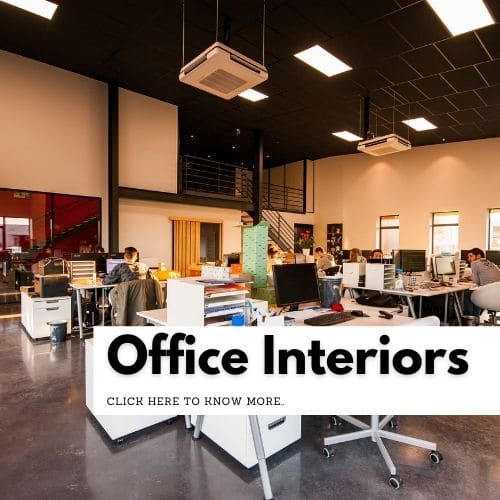


Finding high-value commercial interior design projects is one of the most effective ways to grow an interior design business. From corporate offices and restaurants to retail stores, clinics, salons, gyms, and QSR outlets, commercial interior projects can offer significant revenue opportunities for interior designers, architects, and turnkey interior design firms.
However, getting commercial interior leads is not simply about collecting phone numbers. The real objective is to connect with decision-makers who have a genuine project requirement, a realistic budget, and a clear timeline.
In this guide, we will explore how to build a commercial interior leads list, identify potential clients, discover new projects, connect with business owners, and use professional networks such as Near Me Interiors Community to improve your project discovery process.
What Is a Commercial Interior Leads List?
A commercial interior leads list is a structured database of businesses, organisations, developers, and decision-makers who may require interior design services.
These leads can include:
- Corporate offices and IT companies
- Restaurants, cafés, and QSR brands
- Retail shops and showrooms
- Hospitals, clinics, and diagnostic centres
- Hotels, resorts, and hospitality businesses
- Salons, spas, and wellness centres
- Gyms, fitness studios, and sports facilities
- Banks, financial offices, and service centres
- Educational institutions and training centres
- Commercial real estate developers
- Franchise businesses planning new outlets
- Coworking spaces and business centres
A useful lead list should include more than a company name and telephone number. It should help your sales team understand the prospect, identify the right contact person, and plan the next step.
1. Build Your Commercial Interior Leads List by Industry
The first step is to choose the industries that match your experience, portfolio, team capacity, and preferred project size.
Restaurant and QSR Interior Leads
Restaurants and quick-service restaurant brands frequently require interior design services for new outlets, renovations, rebranding, and expansion.
Potential prospects include:
- Independent restaurant owners
- Café founders
- QSR franchise operators
- Food court operators
- Bakery and sweet shop owners
- Restaurant chains planning expansion
- Cloud kitchen operators with customer-facing outlets
How to find them: Research new restaurant openings, franchise announcements, commercial properties available for food businesses, and brands expanding into new cities. Connect with restaurant consultants, franchise consultants, equipment suppliers, and commercial property brokers.
Corporate Office Interior Leads
Office interior projects can include reception areas, meeting rooms, executive cabins, workstations, conference rooms, breakout spaces, and complete office fit-outs.
Potential clients include startups, established companies, coworking operators, regional offices, and businesses relocating to larger premises.
How to find them: Monitor office leasing announcements, new commercial developments, company expansion news, and coworking launches. LinkedIn can help you identify founders, administration heads, facility managers, procurement professionals, and workplace managers.
Retail and Showroom Interior Leads
Retail businesses often need interiors that support product display, customer movement, brand identity, lighting, and sales performance.
Target businesses include clothing stores, jewellery showrooms, electronics retailers, furniture stores, pharmacies, and lifestyle brands.
How to find them: Track new retail locations, shopping centre tenant announcements, franchise opportunities, and local business expansion. Build relationships with retail leasing consultants and commercial property agents.
Healthcare and Clinic Interior Leads
Healthcare projects may require specialised planning for patient movement, reception areas, consultation rooms, waiting areas, storage, and hygiene requirements.
Potential prospects include dental clinics, dermatology clinics, diagnostic centres, physiotherapy practices, and multispecialty healthcare providers.
How to find them: Research newly announced clinics, healthcare expansion plans, medical professionals opening independent practices, and commercial spaces suitable for healthcare businesses.
Always check applicable building, fire safety, accessibility, and healthcare-related requirements before proposing a design or execution plan.
2. Create a Commercial Interior Lead Database
A structured database makes it easier to prioritise opportunities and track sales activity.
Use a spreadsheet, CRM, or lead management system to organise prospects.
| Lead information | What to record |
|---|---|
| Company name | Name of the business or brand |
| Industry | Office, QSR, retail, healthcare, hospitality, etc. |
| City and area | Project location |
| Contact person | Owner, founder, facility manager, or authorised buyer |
| Business contact | Public business email or official phone number |
| Project requirement | New outlet, renovation, office fit-out, or expansion |
| Approximate budget | Only when disclosed or reasonably qualified |
| Project stage | Research, property selected, design, tender, or execution |
| Expected timeline | Planned start or opening date |
| Lead source | Referral, website, LinkedIn, event, or professional community |
| Next follow-up | Date and planned action |
| Lead status | New, contacted, qualified, proposal sent, won, or lost |
Collect business contact details responsibly. Use public business information or contact details shared with permission, comply with applicable privacy and marketing laws, and respect requests not to be contacted.
3. Where to Find High-Value Commercial Interior Leads
A. Near Me Interiors Community
Near Me Interiors Community is a professional platform for interior designers, architects, contractors, suppliers, and other industry professionals to connect, showcase their work, and discover business opportunities.
Visit https://www.interiorsnearme.com/ to explore the platform.
Professionals can use the community to build their online presence, publish project portfolios, describe their services, and make it easier for prospective clients and industry partners to discover their work.
To get started:
- Visit the registration page: https://www.interiorsnearme.com/sign-up
- Create your account and complete your professional profile.
- Add your services, service areas, experience, and organisation details.
- Upload quality project photographs and portfolio information.
- Describe your specialisation, such as office interiors, restaurants, QSRs, retail, or healthcare.
- Keep your contact information and project portfolio up to date.
- Respond professionally to relevant enquiries and opportunities.
Important: Registration or profile completion does not guarantee a particular number of leads or projects. Results depend on your profile quality, market demand, project fit, and follow-up.
B. LinkedIn
LinkedIn can help commercial interior designers connect with business owners and decision-makers.
Search for relevant professional roles, including:
- Founder or Co-founder
- Business Development Head
- Administration Manager
- Facility Manager
- Procurement Manager
- Real Estate Manager
- Franchise Development Manager
- Operations Head
Use industry and location filters to build a targeted prospect list. Share case studies, before-and-after transformations, design concepts, and project results to demonstrate your expertise.
Instead of sending a generic sales pitch, explain how your services fit the prospect’s business needs.
C. Commercial Real Estate Brokers
Commercial property brokers often know when businesses are searching for new offices, retail shops, restaurants, or showrooms.
Build relationships with brokers who specialise in commercial leasing. Explain your design services and the types of projects you can handle.
A useful partnership can connect a business that has selected a property with an interior design firm that understands its requirements.
D. Architects, Consultants, and Project Management Firms
Architects, MEP consultants, project management consultants, and construction companies may encounter commercial interior requirements that complement your services.
Develop partnerships where your responsibilities, pricing, scope, referral arrangements, and client communication are clearly defined.
E. Franchise Consultants and Expansion Teams
Franchise businesses can create repeat opportunities when they open multiple outlets.
Target brands planning expansion in cafés, QSRs, salons, retail, fitness, and healthcare. Prepare a portfolio that demonstrates how you maintain design consistency while adapting layouts to different locations.
For multi-outlet work, discuss design standards, prototype development, local adaptation, procurement, quality control, and execution timelines.
F. Business Events and Industry Exhibitions
Attend relevant events for hospitality, retail, real estate, construction, healthcare, and franchising.
Do not focus only on collecting visiting cards. Identify who is planning a project, what type of space they need, when they expect to begin, and who makes the final decision.
Follow up after the event with a personalised message and relevant examples from your portfolio.
4. How to Identify High-Value Commercial Projects
Not every commercial enquiry is worth pursuing. A high-value lead is one that matches your company’s capabilities and has a realistic chance of becoming a profitable project.
Evaluate prospects using these factors:
Project size: Is the project large enough to justify the time, design work, site visits, and coordination required?
Budget clarity: Has the prospect discussed an approximate budget or approved an investment range?
Decision-maker access: Can you communicate with the person authorised to approve the design and commercial terms?
Project readiness: Has the client selected a property, signed a lease, or established a realistic project timeline?
Scope of work: Does the requirement include design consultancy, 3D visualisation, BOQ preparation, procurement, site supervision, or complete interior execution?
Payment capability: Is the client willing to agree to a written contract and milestone-based payment schedule?
Repeat potential: Could the client require additional locations, renovations, or future projects?
A simple qualification score can help your team prioritise leads. Rate each factor from 1 to 5, then focus first on prospects with strong budget clarity, decision-maker access, project readiness, and payment potential.
5. Use a Commercial Interior Lead Qualification Script
When contacting a prospect, ask concise questions to understand the requirement before preparing a detailed proposal.
Suggested questions:
- What type of commercial space are you planning?
- Where is the project located?
- Have you finalised the property?
- What is the approximate carpet area or built-up area?
- Are you looking for design consultancy, execution, or a turnkey solution?
- Do you have an indicative project budget?
- When do you want to start the work?
- Who will approve the design and commercial proposal?
These questions help you avoid spending excessive time on enquiries that are not ready to proceed.
6. Sample Outreach Message for Commercial Interior Leads
Use the following message as a starting point when contacting a relevant business prospect.
Subject: Commercial Interior Design Support for Your Upcoming Project
Hello,
We are an interior design firm specialising in commercial spaces, including offices, restaurants, cafés, QSR outlets, retail stores, and other business environments.
We would be happy to understand your upcoming interior requirements and explore how our team could support your project with design planning, 2D layouts, 3D visualisation, BOQ preparation, and execution support, depending on your requirements.
If you are planning a new location, renovation, or expansion, please share the project location, approximate area, and expected timeline.
We would be glad to discuss the next steps.
Regards,
Your Name
Your Interior Design Company
Phone: Your Business Number
Website: Your Website
Personalise every message and contact only relevant prospects. Avoid sending repetitive bulk messages or making unsupported claims about pricing, experience, or guaranteed outcomes.
7. Turn Commercial Interior Leads into Paying Clients
Finding a prospect is only the beginning. A structured sales process helps convert genuine enquiries into signed projects.
Step 1: Respond promptly
Acknowledge enquiries and collect the essential project information. A quick, professional response helps establish confidence.
Step 2: Schedule a discovery call
Understand the business model, brand identity, project objectives, property conditions, and expected opening date.
Step 3: Prepare a relevant portfolio
Show projects that match the prospect’s industry. A restaurant owner should see restaurant or QSR work, while an office client should see office planning and execution examples.
Step 4: Define the scope
Separate design consultancy, drawings, 3D views, BOQ, procurement, site supervision, and execution wherever applicable.
Step 5: Submit a transparent proposal
Explain the scope, exclusions, deliverables, estimated timeline, payment milestones, taxes, and conditions for changes to the design or work.
Step 6: Follow up systematically
Record the next action in your CRM. Follow up professionally, address questions, and avoid pressuring prospects who have declined or requested no further contact.
Step 7: Protect cash flow
Use a written agreement, clear payment milestones, and documented approvals. Avoid committing substantial funds to materials or labour without understanding the client’s payment obligations and the project’s financial exposure.
8. A 30-Day Plan to Build Your Commercial Interior Leads List
| Period | Activity | Target outcome |
|---|---|---|
| Days 1–7 | Select two or three target industries and define your ideal project | Clear market focus |
| Days 8–14 | Research relevant businesses, decision-makers, and referral partners | Initial qualified prospect database |
| Days 15–21 | Contact suitable prospects, publish case studies, and arrange discovery calls | Conversations with potential clients |
| Days 22–30 | Qualify active enquiries, prepare proposals, and follow up | A measurable sales pipeline |
Treat any numerical target you set as an internal activity goal rather than a promise of results. Track response rate, qualified leads, meetings, proposals, project wins, and expected gross margin.
At the end of the month, review which industries and lead sources generated the most promising opportunities. Allocate more time to the sources that produce qualified, profitable projects.
9. Common Mistakes to Avoid When Building a Commercial Interior Leads List
- Collecting large numbers of unverified contacts without checking project requirements.
- Targeting every industry instead of focusing on sectors where you have relevant experience.
- Quoting a price before understanding the area, scope, materials, and site conditions.
- Spending hours on detailed 3D designs before establishing the client’s seriousness and commercial terms.
- Failing to follow up after sending a proposal.
- Ignoring payment terms and project cash-flow requirements.
- Using misleading claims about guaranteed leads or guaranteed project closures.
- Sending unsolicited bulk messages that damage your brand reputation.
- Failing to update the CRM when a lead is qualified, lost, or converted.
A smaller list of well-qualified prospects can be more valuable than thousands of unrelated contacts.
Frequently Asked Questions
Where can I find commercial interior design leads?
You can find leads through professional communities, LinkedIn, commercial property brokers, franchise consultants, architects, industry events, business directories, referrals, and your own website. Focus on sources that help you identify genuine project requirements and decision-makers.
How can I get restaurant and QSR interior projects?
Build a portfolio of relevant restaurant and QSR projects, connect with founders and franchise operators, research expansion announcements, and establish relationships with franchise consultants and commercial property brokers. Demonstrate your understanding of customer flow, brand consistency, materials, lighting, and operational requirements.
How do I find office interior design clients?
Connect with founders, facility managers, administration heads, and commercial real estate professionals. Monitor office relocations, new leases, coworking developments, and business expansion announcements.
Is there a free platform for interior design professionals?
You can explore Near Me Interiors Community at https://www.interiorsnearme.com/ and review its registration and professional profile options. Check the current platform terms for available features and any applicable charges.
What information should a commercial interior lead contain?
At minimum, record the business name, industry, location, authorised contact, project requirement, estimated budget if available, project stage, expected timeline, lead source, and next follow-up date.
How can I get high-value commercial projects instead of small enquiries?
Define your ideal project size and industry, target businesses with credible expansion or renovation requirements, qualify budgets and timelines, and develop relationships with people who influence commercial property and business expansion decisions. High-value projects still require careful margin and payment-risk assessment.
Conclusion: Build a Consistent Commercial Interior Sales Pipeline
A successful commercial interior design business needs more than design talent. It needs a repeatable system for identifying prospects, qualifying project requirements, building relationships, preparing proposals, and following up consistently.
Start by selecting the right industries, building a structured commercial interior leads list, and connecting with decision-makers who have genuine requirements. Use professional platforms, referral networks, targeted outreach, and relevant case studies to establish credibility.
If you are an interior designer, architect, contractor, supplier, or commercial interior design firm looking to strengthen your professional visibility, explore Near Me Interiors Community.
Create your professional profile: https://www.interiorsnearme.com/sign-up
Showcase your work, describe your services, connect with industry professionals, and build a stronger foundation for discovering future commercial interior opportunities.
Remember: The goal is not to collect the most leads. It is to identify the right projects, build trust, and convert qualified opportunities into profitable long-term business relationships.