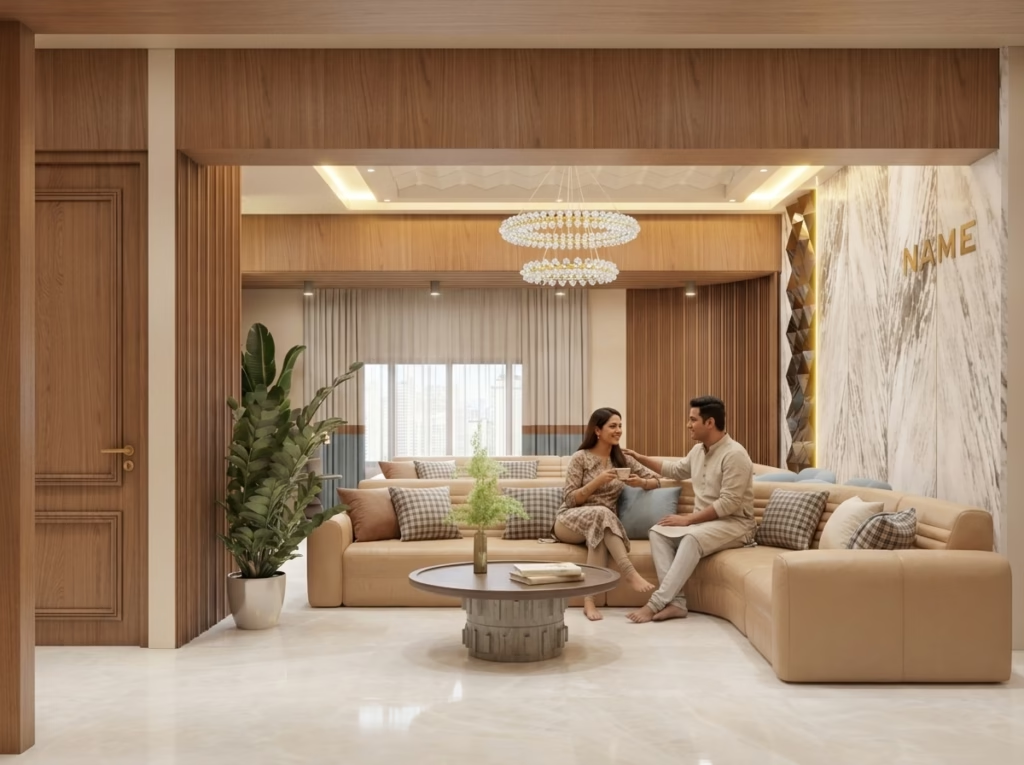





Introduction: Choose the Perfect Bedroom Colour Combination
A bedroom is more than just a place to sleep. It is a personal space where we relax, spend quality time and begin and end each day. The right bedroom colour combination can completely transform the appearance of a bedroom, making it feel peaceful, spacious, elegant and comfortable.
Choosing bedroom colours is not simply about selecting attractive paint shades. A successful colour scheme should complement the room’s natural lighting, furniture, flooring, wardrobe finishes, curtains and overall interior design.
For example, soft beige and warm white can create a sophisticated and timeless bedroom, while muted green and natural wood can introduce a refreshing, nature-inspired atmosphere. Similarly, navy blue and light grey can create a modern and elegant appearance.
At Near Me Interiors, we believe that bedroom colours should complement the lifestyle, personal preferences and practical requirements of the people using the space.
Whether you are designing a master bedroom, a guest bedroom, a children’s bedroom or a compact apartment bedroom, the following colour combinations and interior design ideas can help you create a beautiful and balanced space.





1. White and Beige Bedroom Colour Combination
White and beige are among the most versatile choices for modern bedroom interiors.
This combination creates a warm, clean and sophisticated appearance without making the bedroom look overly decorative.
White walls help reflect natural light, while beige introduces warmth and softness. Together, these shades work particularly well with wooden furniture, upholstered headboards and neutral curtains.
Best design applications:
- Use warm white as the primary wall colour.
- Introduce beige on the bed-back wall.
- Select light beige or cream upholstery.
- Add wooden bedside tables.
- Use warm lighting to create a relaxing atmosphere.
Best for: Master bedrooms, modern apartments and minimalist interiors.
2. Sage Green and Cream Bedroom Colour Combination
Sage green has become a popular choice for contemporary bedroom interiors because of its muted, natural appearance.
When combined with cream, it creates a soothing colour palette that works well with natural textures and wooden furniture.
This combination is particularly suitable for homeowners who prefer a nature-inspired bedroom without using very dark or bright colours.
Design ideas:
- Apply sage green to the bed-back wall.
- Keep the remaining walls cream or off-white.
- Use light oak or natural wood furniture.
- Add beige curtains and neutral bedding.
- Introduce indoor plants for a refreshing look.
Best for: Master bedrooms, nature-inspired interiors and contemporary homes.
3. Navy Blue and White Bedroom Colour Combination
Navy blue and white create a strong contrast that gives a bedroom a sophisticated and modern appearance.
Navy blue can be used as an accent colour behind the bed, while white keeps the remaining space visually balanced.
For a more luxurious look, we can introduce brass or gold-finish bedside lighting, metallic accessories and elegant upholstery.
Design ideas:
- Use navy blue for one feature wall.
- Keep other walls white or light grey.
- Select white or light beige bedding.
- Introduce wooden or metallic furniture accents.
- Use warm bedside lighting.
Best for: Spacious master bedrooms and contemporary luxury interiors.
4. Light Grey and White Bedroom Colour Combination
Light grey and white are excellent choices for homeowners who prefer a clean and contemporary bedroom.
This combination creates a subtle contrast without making the room appear visually crowded.
Light grey works particularly well with white wardrobes, simple furniture and modern false ceiling designs.
Design ideas:
- Use light grey for the bed-back wall.
- Keep the remaining walls white.
- Select white or grey wardrobes.
- Add textured cushions and soft furnishings.
- Use warm-white LED lighting.
Best for: Small bedrooms, modern apartments and minimalist homes.
5. Peach and Off-White Bedroom Colour Combination
Peach and off-white create a warm and welcoming bedroom environment.
Peach introduces a gentle colour accent, while off-white keeps the overall appearance light and balanced.
This combination is suitable for homeowners who want something warmer than a completely neutral bedroom.
Design ideas:
- Use muted peach behind the bed.
- Keep the other walls off-white.
- Choose cream upholstery.
- Add light wooden furniture.
- Use neutral curtains and bedding.
Best for: Guest bedrooms, couples’ bedrooms and contemporary residential interiors.
6. Olive Green and Beige Bedroom Colour Combination
Olive green and beige create an earthy and elegant bedroom colour combination.
The deeper green adds character, while beige balances the overall appearance.
This palette works particularly well with wooden flooring, natural fabrics and textured wall finishes.
Design ideas:
- Use olive green on the main feature wall.
- Select beige for the remaining walls.
- Add natural wood furniture.
- Use cream or sand-coloured bedding.
- Introduce warm decorative lighting.
Best for: Modern master bedrooms and nature-inspired luxury interiors.
7. Dusty Blue and White Bedroom Colour Combination
Dusty blue is a softer alternative to darker shades of blue.
When combined with white, it creates a light and peaceful bedroom environment.
This colour palette works well in bedrooms with good natural light and can be paired with white furniture, light wood and neutral fabrics.
Design ideas:
- Use dusty blue on one or two walls.
- Keep the ceiling and remaining walls white.
- Select white or cream wardrobes.
- Add soft blue cushions.
- Use light curtains to maximise daylight.
Best for: Guest bedrooms, children’s bedrooms and modern apartments.
8. Chocolate Brown and Cream Bedroom Colour Combination
Chocolate brown and cream create a rich and warm bedroom atmosphere.
Brown introduces depth and character, while cream prevents the room from appearing too dark.
This combination looks especially attractive with wooden furniture, upholstered headboards and warm decorative lighting.
Design ideas:
- Use chocolate brown for selected wall panels.
- Choose cream for the remaining walls.
- Add wooden bedside tables.
- Select beige or cream bedding.
- Introduce warm LED lighting.
Best for: Luxury master bedrooms and spacious residential interiors.
9. Lavender and White Bedroom Colour Combination
Lavender and white create a soft and elegant bedroom environment.
Lavender introduces a gentle colour accent, while white maintains visual brightness.
This combination can be used in children’s bedrooms, guest bedrooms and contemporary residential spaces.
Design ideas:
- Use pastel lavender on the bed-back wall.
- Keep other walls white.
- Select light-coloured furniture.
- Add white or lavender bedding.
- Use simple decorative accessories.
Best for: Guest bedrooms and pastel-themed interiors.
10. Terracotta and Beige Bedroom Colour Combination
Terracotta is an excellent option for homeowners who prefer warm, earthy interiors.
Combined with beige, it creates a welcoming bedroom that feels connected to natural materials and textures.
The colour scheme works well with wooden furniture, woven accessories and textured fabrics.
Design ideas:
- Apply muted terracotta to the accent wall.
- Use beige on the remaining walls.
- Select natural wooden furniture.
- Add cream curtains and bedding.
- Use warm decorative lighting.
Best for: Contemporary, bohemian and earthy bedroom interiors.
11. Black, White and Grey Bedroom Colour Combination
Black, white and grey create a modern monochromatic bedroom palette.
This combination is suitable for homeowners who prefer contemporary and sophisticated interiors.
However, black should generally be used selectively, especially in compact bedrooms.
Design ideas:
- Keep the primary walls white or light grey.
- Introduce charcoal grey on the bed-back wall.
- Use black decorative elements.
- Select grey upholstered furniture.
- Maintain adequate ambient lighting.
Best for: Modern apartments and contemporary master bedrooms.
12. Mustard Yellow and White Bedroom Colour Combination
<AsyncImage query=”mustard yellow white modern bedroom interior design accent wall” aspectRatio=”16:9″ width=”100%”/>
Mustard yellow can introduce warmth and personality into a bedroom.
When combined with white, it creates a balanced palette without making the entire space look overly bright.
Use mustard selectively through an accent wall, cushions or decorative accessories.
Best for: Creative bedrooms, modern guest rooms and contemporary homes.
Best Two Colour Combinations for Bedroom Walls
Two-colour wall combinations are an effective way to introduce contrast without making a bedroom look complicated.
Here are some combinations worth considering:
| Colour Combination | Interior Style |
|---|---|
| White + Beige | Elegant and minimal |
| Sage Green + Cream | Natural and calming |
| Navy Blue + White | Modern and sophisticated |
| Peach + Off-White | Warm and welcoming |
| Light Grey + White | Contemporary and clean |
| Olive Green + Beige | Earthy and elegant |
| Dusty Blue + White | Soft and refreshing |
| Terracotta + Cream | Warm and modern |
| Lavender + White | Soft and elegant |
| Chocolate Brown + Beige | Rich and luxurious |
How to Choose the Right Bedroom Colour Combination
Selecting a beautiful colour combination is only the first step. The colours should also suit the actual bedroom conditions.
1. Consider the Size of Your Bedroom
Room size plays an important role in colour selection.
For smaller bedrooms, lighter shades can help create a more open appearance. White, cream, beige and pastel colours are practical choices.
For larger bedrooms, deeper colours such as olive green, navy blue and charcoal grey can introduce depth and visual character.
However, darker colours can also work in compact bedrooms when used carefully as accent colours.
2. Check Natural Lighting
Natural light can change how paint colours appear throughout the day.
A bedroom receiving direct sunlight may make certain shades appear brighter or warmer.
Bedrooms with limited daylight may benefit from warm whites, light beige and soft pastel shades.
Before finalising a colour, we recommend testing paint samples on the actual bedroom walls and observing them at different times of the day.
3. Match Wall Colours with Wardrobe Finishes
Wardrobes occupy a significant visual area in many modern bedrooms.
Therefore, bedroom wall colours should complement wardrobe finishes.
Some practical combinations include:
- White wardrobe with sage green walls.
- Walnut-finish wardrobe with beige walls.
- Grey wardrobe with white walls.
- Cream wardrobe with dusty blue walls.
- Wooden wardrobe with olive green walls.
A coordinated combination helps create a visually balanced bedroom.
4. Coordinate Colours with Flooring
Flooring should be considered before finalising the bedroom colour palette.
For example:
- Light wooden flooring works well with beige, white and sage green.
- Dark wooden flooring complements cream and warm grey.
- White marble flooring pairs well with grey, beige and pastel shades.
- Beige vitrified tiles work well with olive green and warm white.
The objective is to create harmony between the floor, walls and furniture.
5. Select the Right Lighting Temperature
Lighting can significantly influence how bedroom colours appear.
Warm lighting generally creates a cosy atmosphere, while neutral lighting can make colours appear more balanced.
For bedrooms, warm-white lighting is often preferred for bedside lamps and relaxing areas. Functional lighting near wardrobes and dressing spaces should provide adequate visibility and colour clarity.
We recommend planning ceiling lights, bedside lights, wardrobe lights and decorative lighting together rather than selecting them separately.
Best Bedroom Colour Combinations for Different Bedroom Types
Master Bedroom Colour Combinations
A master bedroom should reflect personal preferences while maintaining a comfortable atmosphere.
Some suitable combinations include:
- Beige and walnut brown.
- Sage green and cream.
- Navy blue and white.
- Olive green and warm beige.
- Light grey and off-white.
Feature walls, upholstered headboards and coordinated wardrobes can further enhance the overall design.
Small Bedroom Colour Combinations
Small bedrooms require careful colour planning.
Recommended options include:
- White and light beige.
- Cream and pastel green.
- Light grey and white.
- Powder blue and off-white.
- Soft peach and cream.
Avoid using too many competing colours. A simple palette with one accent shade generally creates a more cohesive appearance.
Guest Bedroom Colour Combinations
Guest bedrooms should feel welcoming and comfortable.
Neutral combinations such as beige and white, dusty blue and cream, and light grey and white are practical choices.
These colours are versatile and work with different furniture styles.
Children’s Bedroom Colour Combinations
Children’s bedrooms can include playful colours while maintaining a balanced overall design.
Some suitable combinations include:
- Sky blue and white.
- Pastel green and cream.
- Peach and white.
- Lavender and light grey.
- Mint green and beige.
The colours should be selected according to the child’s age, preferences and the room’s lighting conditions.
Bedroom Colour Combination as per Vastu
Some homeowners also consider Vastu principles when selecting bedroom colours.
Commonly preferred shades include:
- Light pink.
- Cream.
- Beige.
- Soft green.
- Light blue.
- Off-white.
These colours are often associated with a gentle and balanced visual atmosphere in traditional Vastu-based interior recommendations.
However, Vastu preferences can vary depending on the room’s direction and individual interpretation. We recommend balancing personal preferences, practical lighting requirements and overall interior design.
Modern Bedroom Interior Design Ideas Beyond Wall Colours
A successful bedroom design involves more than selecting the right paint.
The following interior elements should complement the chosen colour palette.
1. Designer Bed-Back Wall
The bed-back wall is often the main visual feature of a bedroom.
Consider:
- Upholstered headboard panels.
- Wooden wall panelling.
- Decorative laminate finishes.
- Simple textured paint.
- Subtle wallpaper.
- Integrated bedside lighting.
The finish should complement the wall colour rather than compete with it.
2. Wardrobe Design and Colour Coordination
A wardrobe should complement the bedroom’s overall colour scheme.
Popular finishes include:
- Matte white.
- Light oak.
- Walnut.
- Beige.
- Grey.
- Two-tone laminate finishes.
For smaller bedrooms, lighter wardrobe finishes can help maintain a visually open appearance.
3. False Ceiling and Lighting Design
A simple false ceiling can accommodate concealed lighting and create a neat ceiling appearance.
Consider cove lighting, recessed LED lights and selected decorative fixtures.
Avoid unnecessarily complicated ceiling designs when a simple layout can achieve the desired result.
4. Curtains, Bedding and Soft Furnishings
Curtains, bedsheets, cushions and rugs should coordinate with the bedroom colour palette.
For example, a beige bedroom can include cream curtains, textured cushions and a muted brown rug.
These elements help connect the wall colours, furniture and decorative finishes.
Common Mistakes to Avoid When Choosing Bedroom Colours
Even attractive colours may not work well if they are selected without considering the entire room.
Avoid these common mistakes:
- Choosing colours only from photographs: Actual lighting and surrounding finishes can change how a colour looks.
- Using too many colours: Excessive colour variation can make the bedroom visually cluttered.
- Ignoring wardrobe finishes: Large furniture surfaces should complement the wall palette.
- Selecting dark colours without lighting planning: Dark shades may make poorly lit rooms feel smaller.
- Ignoring flooring: Wall colours should work with the existing floor finish.
- Using the wrong lighting temperature: Lighting can change the appearance of paint and furniture.
- Following trends without considering personal preference: A bedroom should reflect the people using it.
- Skipping paint samples: Always test selected shades before painting the entire bedroom.
Frequently Asked Questions About Bedroom Colour Combinations
1. Which colour combination is best for a bedroom?
White and beige, sage green and cream, dusty blue and white, and light grey and white are popular choices. The best option depends on room size, natural lighting, furniture and personal preferences.
2. Which two-colour combination is best for bedroom walls?
Sage green and cream create a nature-inspired appearance, while beige and white offer a timeless look. Navy blue and white provide a stronger contemporary contrast.
3. Which colour makes a small bedroom look bigger?
Light shades such as white, cream, beige and pastel colours can help a small bedroom appear brighter and more spacious, particularly when combined with adequate lighting.
4. Which colour is best for a master bedroom?
Beige, olive green, sage green, warm grey and muted blue are suitable options for master bedrooms. The final choice should complement furniture, flooring and the desired interior style.
5. Which bedroom colours are best for a modern home?
Modern bedrooms often use neutral shades, muted greens, soft blues, warm beige and selected darker accent colours.
6. Should all bedroom walls have the same colour?
No. You can use a single colour throughout the room or introduce a contrasting shade on the bed-back wall. Two-colour combinations can add depth and visual interest without making the room look overly decorative.
7. Which colour combination is suitable for a bedroom with wooden furniture?
Beige and white, cream and olive green, sage green and off-white, and light grey with warm neutral shades complement wooden furniture.
8. How do I choose bedroom colours according to lighting?
Test colour samples under the bedroom’s actual lighting conditions. Consider how natural daylight and artificial lighting affect the appearance of each shade before finalising the palette.
9. Can dark colours be used in small bedrooms?
Yes. Dark colours can be used on selected walls, headboards or furniture elements. Balance them with lighter surrounding shades and suitable lighting.
10. How much does bedroom interior design cost in Kolkata?
Bedroom interior design costs in Kolkata depend on the bedroom size, wardrobe requirements, bed-back design, furniture specifications, lighting, ceiling work and material selection. A personalised estimate requires an understanding of the actual scope of work.
Conclusion: Create a Beautiful Bedroom with the Right Colour Combination
The right bedroom colour combination can transform an ordinary bedroom into a comfortable, attractive and well-coordinated personal space.
Whether you prefer neutral beige, refreshing sage green, elegant navy blue, soft peach or earthy terracotta, the key is to select colours that complement your bedroom’s natural light, flooring, wardrobe, furniture and lifestyle.
A well-planned bedroom should combine aesthetics with functionality. Wall colours, furniture finishes, lighting, curtains and decorative elements should work together to create a cohesive interior.
At Near Me Interiors, we help homeowners plan bedroom interiors that reflect their preferences, available space and budget.
Need a Personalised Bedroom Interior Design?
Planning a new bedroom or renovating your existing space?
Get professional guidance on bedroom colour combinations, wardrobe designs, bed-back walls, lighting, furniture and complete bedroom interiors.
Contact Near Me Interiors for a personalised bedroom design consultation.
Near Me Interiors Pvt. Ltd.
Website: https://www.interiorsnearme.com/
Email: info@interiorsnearme.com
Phone: +91 91634 92686
Every Need, Near Me Hai Na!